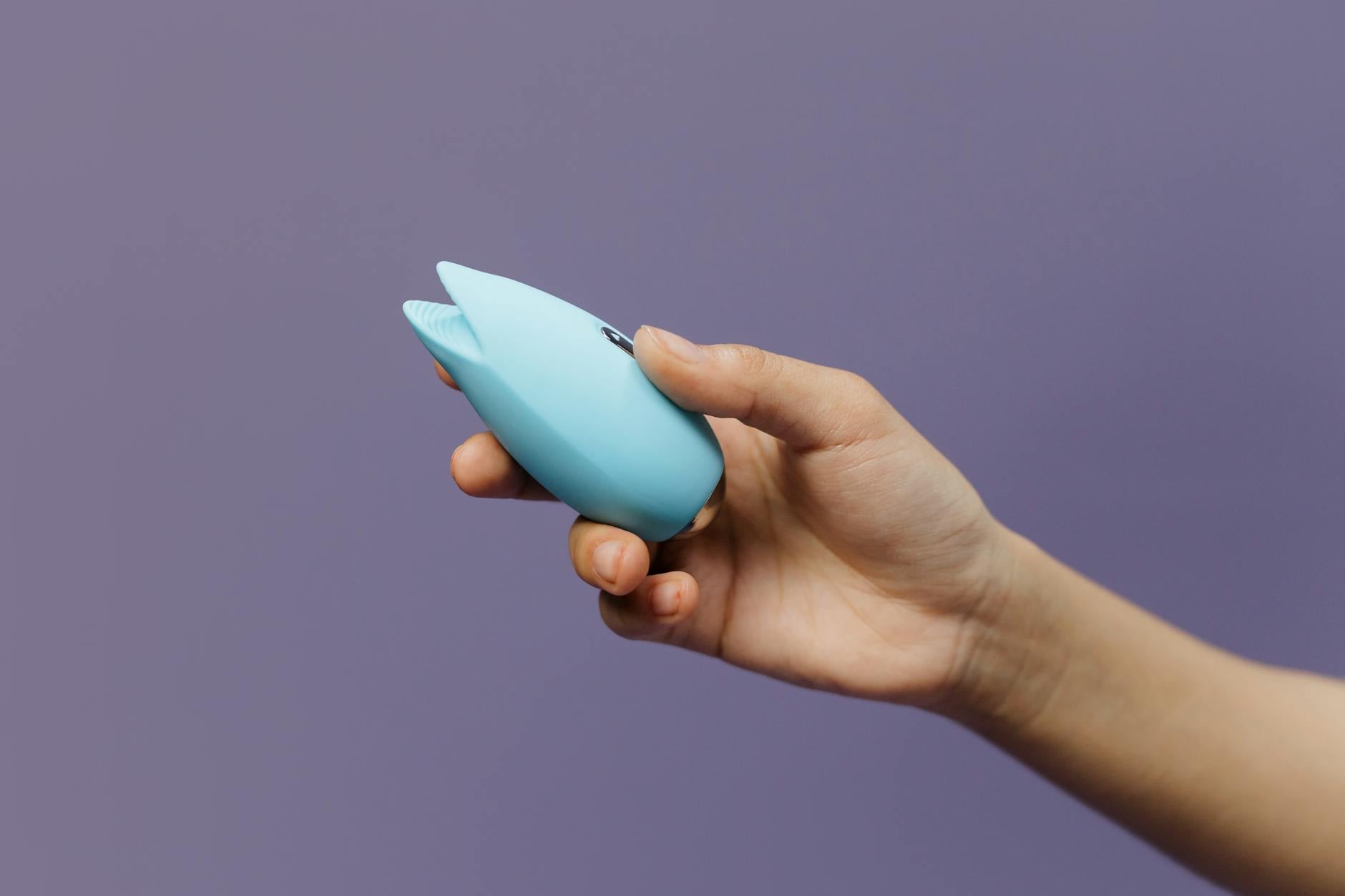
How to Use a Lemon Vibrator When Your Sex Drive Returns After Depression
Depression numbs desire. Recovery brings it back, but your body might feel unfamiliar. Here's the gentle, grounded approach to reconnecting with pleasure.
Depression doesn't just make you sad. It flattens everything. Your sex drive vanishes first, often without fanfare. You stop thinking about pleasure. Your body feels numb, disconnected, not quite yours. Then one day, weeks or months into treatment, something shifts. You notice a thought. A flutter of interest. Actual desire.
For a lot of people, that return is confusing. You're relieved, but also uncertain. Your body has been asleep. How do you wake it back up? How do you trust the sensations coming back?
Here's what I want you to know first: this is normal, it's navigable, and your body remembers more than you think.
Depression doesn't just affect mood. It's a full-body neurological event. The neurotransmitters that signal pleasure (dopamine and serotonin) go quiet. Stress hormones like cortisol stay high. Your nervous system camps out in fight-or-flight mode, which means your body has zero bandwidth for arousal. Even wanting to want sex becomes exhausting.
When you start treatment, whether that's therapy, medication, or both, these systems gradually recalibrate. But recalibration takes time. Your nervous system learned to stay defensive. Your body learned numbness as a coping strategy. Desire coming back doesn't mean everything else has fixed instantly.
And here's the part nobody warns you about: desire can return before your body has fully woken up. You might feel the mental impulse to have sex but physical arousal takes longer to show up. Or the opposite. You might feel touch differently than you did before. Some areas feel extra sensitive; others feel muted. This mismatch is real and temporary.
Your brain spent months in survival mode. Retraining it to believe that pleasure is safe takes deliberate effort. This is where a gentle approach to solo exploration matters more than rushing back into partnered sex.
When you're alone with yourself and a lemon clitoral vibrator, you remove the performance pressure. There's no partner watching, no expectation to orgasm, no timeline. You're just gathering information: what feels good right now? What doesn't? Does this touch make your nervous system feel safe, or does it spike anxiety?
Start with settings one and two on The Lem. The air-suction technology means you're not using direct friction on tissue that might feel raw or oversensitive. You're stimulating the thousands of nerve endings around your clitoris with gentleness. Spend 10 minutes just noticing. Not trying to come. Just noticing.
Many people returning from depression report that the first few sessions aren't about orgasm at all. They're about reconnection. Pleasure without a destination. That's exactly what you're looking for right now.
When your nervous system has been in lockdown, rushing straight to intense stimulation can feel jarring or even retraumatizing. Your body needs a ramp.
First week: explore on your own, no expectation of orgasm. Twenty minutes of solo time with The Lem on low settings. Notice your breathing. Notice where tension lives. If you're holding your jaw tight or your shoulders up at your ears, that's your nervous system still bracing. Breathe into it.
Second week: same solo time, but now you're allowed to move toward something that feels good. You're not chasing orgasm, but you're not running from pleasure either. You're meeting it halfway.
Third week: this is when you might notice orgasm starting to build naturally. Don't chase it. Let it come or don't come. Either way, you're doing it right.
If you have a partner, keep them out of this loop for now. Depression recovery is vulnerable. Adding performance anxiety or someone else's expectations into the mix often backfires. Tell them you're taking time to reconnect with yourself. Most good partners will understand.
This happens. You start using your lemon vibrator, everything feels physically good, and suddenly your brain hits you with "but what if this doesn't work? What if your depression comes back? What if you're broken?"
Your brain is trying to protect you. It's not broken either. It's doing what it learned to do during depression: staying vigilant.
When anxiety arrives, pause. Not forever. Just 30 seconds. Take three deep breaths. Your nervous system is checking in. Say "I'm safe. This is safe. We're okay." Then continue, or stop and try again tomorrow. Both are fine.
Some people find it helpful to have a grounding object nearby during solo exploration. Something textured you can touch. A weighted blanket. A pillow that smells like something comforting. These aren't Band-Aids. They're proof to your nervous system that you have agency and safety built into the experience.
Sex after depression is not the same as sex before depression. That's not a tragedy. It's just different. And different can be better. You're learning what your body actually needs instead of what you assumed it should want.
If you have a partner waiting for your desire to return, having a conversation about timing matters. Not a sexy, seductive conversation. A practical one.
"I'm rebuilding my sex drive. It's coming back, but it's slower than I expected. I need a few more weeks of solo exploration before partnered sex feels right. Can you be patient with that?"
If they can't, that's information. You're not obligated to rush back into partnered sex before your body is ready. That's not generosity. That's retraumatizing yourself in a different way.
When you do come back together, start with touch that doesn't have an endpoint. Massage. Kissing. Manual stimulation. Extended foreplay. Your body has been offline. It needs time to remember that being touched by someone you trust feels different from being alone.
Depression survivor partners sometimes report that reintroducing toys together actually strengthened trust. Your partner gets to see you light up. You get reassurance that your body still works. It's collaborative rather than performative.
After depression, your body might have forgotten some basic things. Here's what I recommend to almost every client moving through this:
Lubricant matters more than you think. Water-based lube helps your skin feel the vibration more clearly. It also removes friction, which can feel harsh on tissue that's been numb. A little goes a long way.
Time of day changes everything. You might find that morning exploration feels safer than evening. Or vice versa. Pay attention to when your nervous system is most regulated, and do your exploring then.
Start with clothes on. Seriously. Lie on your bed fully clothed, use The Lem over your underwear or pants. This sounds silly, but it keeps the experience from feeling too exposed. As your nervous system settles, you can gradually shed layers. There's no timeline. Move at your own pace.
Hydration and movement help your nervous system recalibrate. If you're doing solo exploration, a 10-minute walk beforehand can calm anxiety. A glass of water afterward helps ground you. These tiny things signal to your body that this is a normal, safe activity.
Anywhere from a few weeks to several months, depending on the severity of the depression and the kind of treatment. Some medications (like SSRIs) can slow sexual function even as mood improves. If your drive hasn't budged after three months of treatment, talk to your doctor. Sometimes switching medications or adjusting dosage helps. Recovery is not linear, and neither is desire.
Very normal. Your body is reconnecting with sensation after numbness. That can trigger all kinds of feelings. Grief. Relief. Confusion. Anger that you lost this time. Let the emotions move through. You don't need to fix them or understand them instantly. They're part of rewaking.
Stop immediately. This isn't failure. Your nervous system is flagging something that needs care. Talk to your therapist before trying again. Sometimes trauma gets tangled up with depression, and sexual exploration needs to happen with professional support. That's wisdom, not weakness.
Absolutely. In fact, some people find that having a tool like The Lem helps them navigate the reality that antidepressants can lower libido while simultaneously helping depression. You're working with your body where it is right now, not where you want it to be.
That's your call. Some people keep it private for a few weeks until they feel grounded in the experience. Others tell their partner immediately because honesty feels safer. How to use a lemon vibrator when communication with your partner feels difficult offers more on navigating this conversation in real relationships.
They almost certainly will be, at least temporarily. Your nervous system learned different patterns. Your body might be more or less sensitive in certain areas. Some people find post-depression orgasms are actually more intense because they have less performance anxiety. Give yourself six months before deciding anything is permanently changed.
Your depression tried to convince you that pleasure was gone forever. That your body was broken. That you'd never feel normal again. Recovery is you, slowly and deliberately, proving that voice wrong.
Using a lemon vibrator during this process isn't frivolous. It's not just about orgasm. It's an act of reclaiming your nervous system. It's proof that your body still works. That you still deserve pleasure. That desire can come back, and when it does, you get to define what that looks like.
Start small. Be patient with yourself. Your body doesn't owe anyone anything right now. It only owes itself the chance to remember what feeling good actually feels like. That's enough.