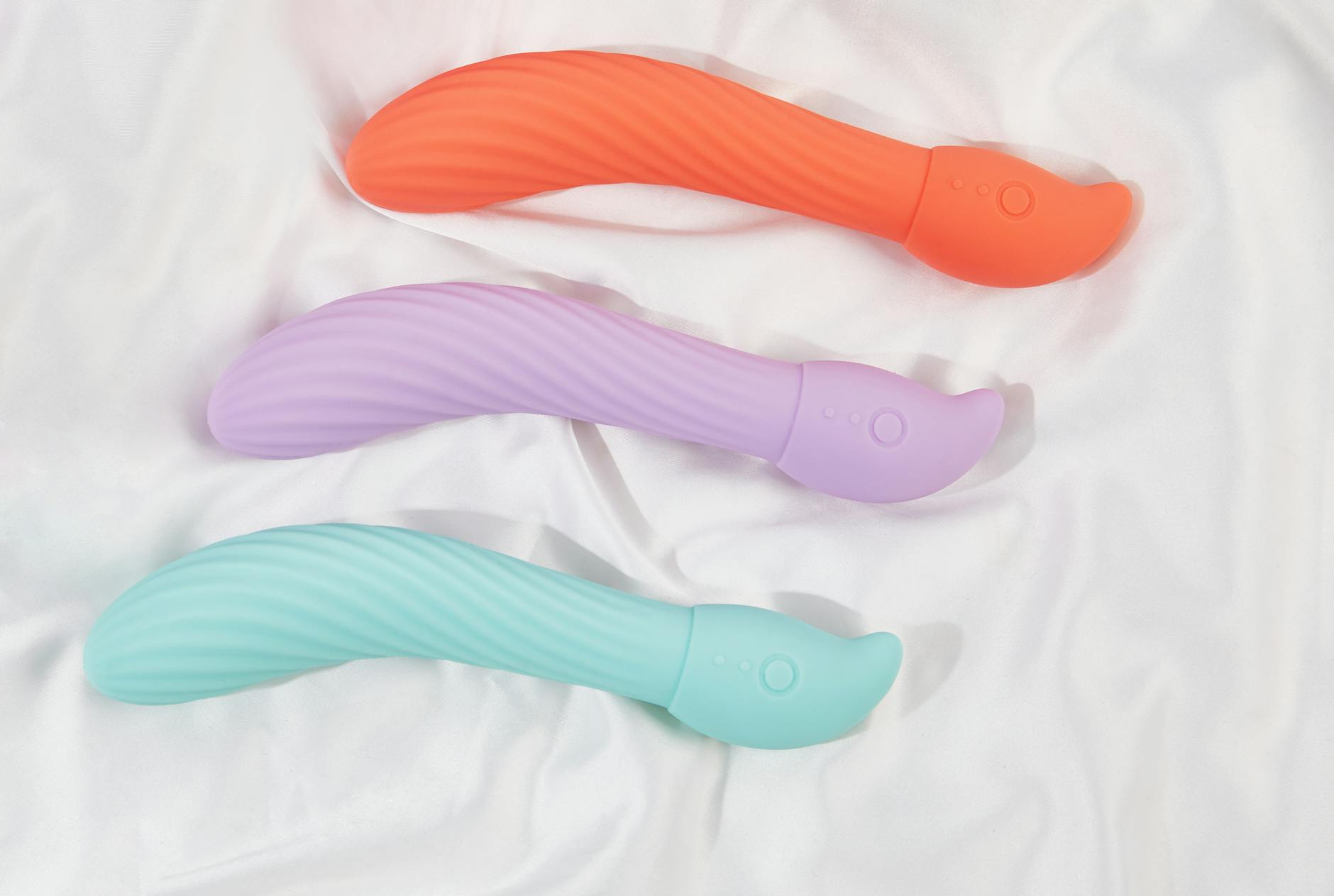
Why Lemon Vibrators Feel Different During Pregnancy
Your body is doing something extraordinary. That changes how pleasure works. Here's what actually shifts, what stays constant, and how to use a lemon clitoral vibrator safely when you're expecting.
Pregnancy changes everything about how your body responds to pleasure. And nobody talks about it. You get a handbook about gestational diabetes and pelvic floor exercises, but the fact that your clitoral sensitivity might spike, or that your favorite lemon vibrator could feel completely different, gets filed under "don't worry about it."
Here's the thing: you should know what's actually happening, because pleasure during pregnancy isn't just nice. It's a form of self-care that's medically sound and emotionally grounding during a time when your body feels like it's stopped being yours.
Within weeks of conception, estrogen and progesterone flood your system. This isn't the gentle cycling of your usual menstrual rhythm. It's sustained elevation. What that means physically is that blood vessels in your pelvic region dilate. Your vulva swells. Tissues become engorged.
Clitoral sensitivity often increases dramatically during the first and second trimesters. This happens because nerve endings are literally closer to the surface. The increased blood flow means your body is primed to respond faster than it ever has before.
Many people report that their orgasms during pregnancy are more intense, more full-body, and arrive more easily than they ever have. This is not a fluke. This is physiology. Your body has adapted to maintain blood flow to the uterus and to support fetal development. The vulva gets caught in that same expansion.
But here's where lemon clitoral vibrators matter: that same sensitivity that creates faster orgasms can also create discomfort if the intensity isn't calibrated. A lemon sucker device like the Lem, which uses gentle air-pulse stimulation rather than traditional buzzing vibration, becomes particularly relevant when you're pregnant.
Traditional vibrators create constant oscillation. The sensation is consistent, but intense. An air-pulse lemon vibrator works differently. It creates a rhythmic suction pattern that mimics the sensation of oral sex without the direct friction that can sometimes feel overwhelming when tissues are already engorged.
During pregnancy, when your vulva is already swollen and sensation is heightened, that gentler approach often works better. You need less to feel more. Starting at the lowest settings on a lemon clitoral vibrator during pregnancy is usually wise, even if you normally use higher intensities.
The sensation also feels more localized with an air-pulse device. During pregnancy, many people experience sensitivity in unexpected places. The air-pulse approach concentrates stimulation without radiating outward, which means less risk of overstimulation in the surrounding area.
Arousal takes different pathways. Some pregnant people find that their usual turn-ons don't land the same way. That fantasy doesn't stick. That position doesn't work anymore. This often has nothing to do with arousal capacity and everything to do with comfort, body image, and mental bandwidth. Your brain is managing a lot.
Orgasms might feel different anatomically. The pelvic floor during pregnancy is under constant pressure from the growing uterus. Contractions might feel stronger, or they might feel more centered. Some people experience blended orgasms (clitoral and deeper internal sensations happening together) for the first time when pregnant. Others find that orgasms feel shallower. None of this is wrong. It's just different.
Comfort matters more than intensity. You might notice that you're less interested in pushing sensation to the edge and more interested in reaching a place of ease. This isn't loss of drive. It's a recalibration of what pleasure actually serves.
Let's be direct: using a lemon vibrator during pregnancy is safe for most pregnancies. The vibration doesn't affect the fetus. The contractions during orgasm are not strong enough to trigger labor in a low-risk pregnancy.
But there are real reasons to check with your care provider first. If you've had a history of miscarriage, preterm labor, or placental complications, some clinicians recommend avoiding orgasm or penetration. It's not dramatic. It's cautious. Your doctor knows your specific history better than any article does.
Once you've cleared it, a few guidelines help: avoid anything that enters the vagina if there's any risk of infection or cervical sensitivity. Stick with external clitoral stimulation. That's where the lemon sucker shines. An external lemon clitoral vibrator is entirely safe, entirely satisfying, and entirely yours.
If you're pregnant and partnered, your care provider saying "yes, sex is fine" doesn't automatically mean you both feel aligned about using lemon vibrators during pregnancy. Some partners feel nervous about anything that might seem like it's "replacing" them. Others feel like pleasure is something they should be creating, not something you're giving yourself.
These are worth naming directly. "I want to use this for me, not because anything is missing with us" is a complete sentence. Pleasure during pregnancy is a conversation about your body, not about your partnership.
Pregnancy is weird for your relationship with pleasure. Your body is visibly changing. You might feel like it's not yours anymore. Doctors are examining it constantly. You're growing another human inside it. The temptation to disconnect from pleasure entirely, to treat your body as purely functional, is real.
Using a lemon vibrator during pregnancy can actually be a form of reclaiming your body. It's a moment where you're not a vessel, not a life-support system for the fetus, not someone else's partner. You're just someone experiencing pleasure on your own terms. That matters psychologically.
It also matters that pleasure during pregnancy can help with mood, stress, and sleep. Orgasms release oxytocin and endorphins. They reduce cortisol. They help you rest. During a time when you might be anxious, uncomfortable, and exhausted, that physiological reset is genuinely therapeutic.
First trimester: You're likely dealing with nausea and exhaustion. Pleasure might be the last thing on your mind. When you do feel like it, sensitivity is often heightened. Start lower on a lemon clitoral vibrator than you normally would.
Second trimester: This is often the sweet spot. Energy returns, nausea usually fades, and sensitivity is still peaked. Many people find this is when they feel most like themselves sexually during pregnancy.
Third trimester: Your belly is large. Reaching yourself comfortably matters. An external lemon vibrator is easier to maneuver than anything that requires insertion or specific positioning. Your comfort zone shrinks. Respect that.
After delivery: It takes weeks before your body feels like you again. Most care providers recommend waiting at least six weeks before using any internal devices. External lemon vibrators can usually resume sooner if you're cleared and comfortable, but talk to your doctor.
It's okay if pleasure feels different during pregnancy and you don't love it. It's also okay if it's the best sex of your life. Both are normal. Both are temporary. Your body will shift again after pregnancy, and again after that. The point isn't to achieve some perfect version of pleasure right now. It's to stay connected to your own sensations while everything is changing.
A lemon vibrator during pregnancy is a tool for that reconnection. It works safely, it works gently, and it works in a way that doesn't require a partner or specific positioning. You deserve that kind of autonomy, especially when your body is doing something as monumental as growing a human.
Yes, for most pregnancies. External vibration doesn't affect fetal development, and orgasms don't trigger labor in low-risk pregnancies. Always check with your care provider first, especially if you have a history of miscarriage or preterm labor. Stick with external stimulation only, avoid anything entering the vagina, and avoid any device that could introduce infection risk.
Pregnancy causes sustained elevation of estrogen and progesterone, which increases blood flow to your vulva and makes tissues swell. Nerve endings are closer to the surface, so sensitivity spikes. You need less stimulation to feel more, which is why starting at lower intensities with a lemon vibrator is usually wise. This heightened sensitivity is temporary and returns to baseline after pregnancy.
No. Orgasmic contractions are mild and localized. They're far too weak to dislodge a healthy pregnancy or trigger labor before your body is ready. The only exception is if you have specific complications like preterm labor risk or placental issues. Your doctor will tell you if you fall into that category. For most pregnancies, pleasure is physically safe.
An air-pulse lemon clitoral vibrator works particularly well during pregnancy because it provides gentler, more localized stimulation than traditional vibrators. The Lem is a popular choice for this reason. Start at the lowest setting, use only externally, and stop immediately if you feel pain, spotting, or cramping beyond normal pleasure contractions.
No. Vibration doesn't cross the uterine wall in a way that reaches the fetus. Your baby won't feel it. The only thing that changes is your own sensations and your body's response. Pleasure is purely for you.
Yes, but your comfort and interest might shift. First trimester, you might feel too nauseous. Second trimester is often the easiest and most pleasurable. Third trimester, positioning becomes harder and you might feel too uncomfortable. Listen to what your body needs each month. There's no rule that says you have to want pleasure the same way throughout pregnancy.
Pregnancy isn't a pause on pleasure. It's a recalibration. Your body is capable of extraordinary sensation right now. A lemon vibrator during pregnancy is a way of honoring that, without pretending everything feels the same as it did before. Because it doesn't, and that's not a problem to solve. It's just information.
Your care provider can help you navigate the medical side. But the rest, the sensations and the desire and the reconnection with your own body, that's yours to explore. You deserve to feel good, even now. Especially now.