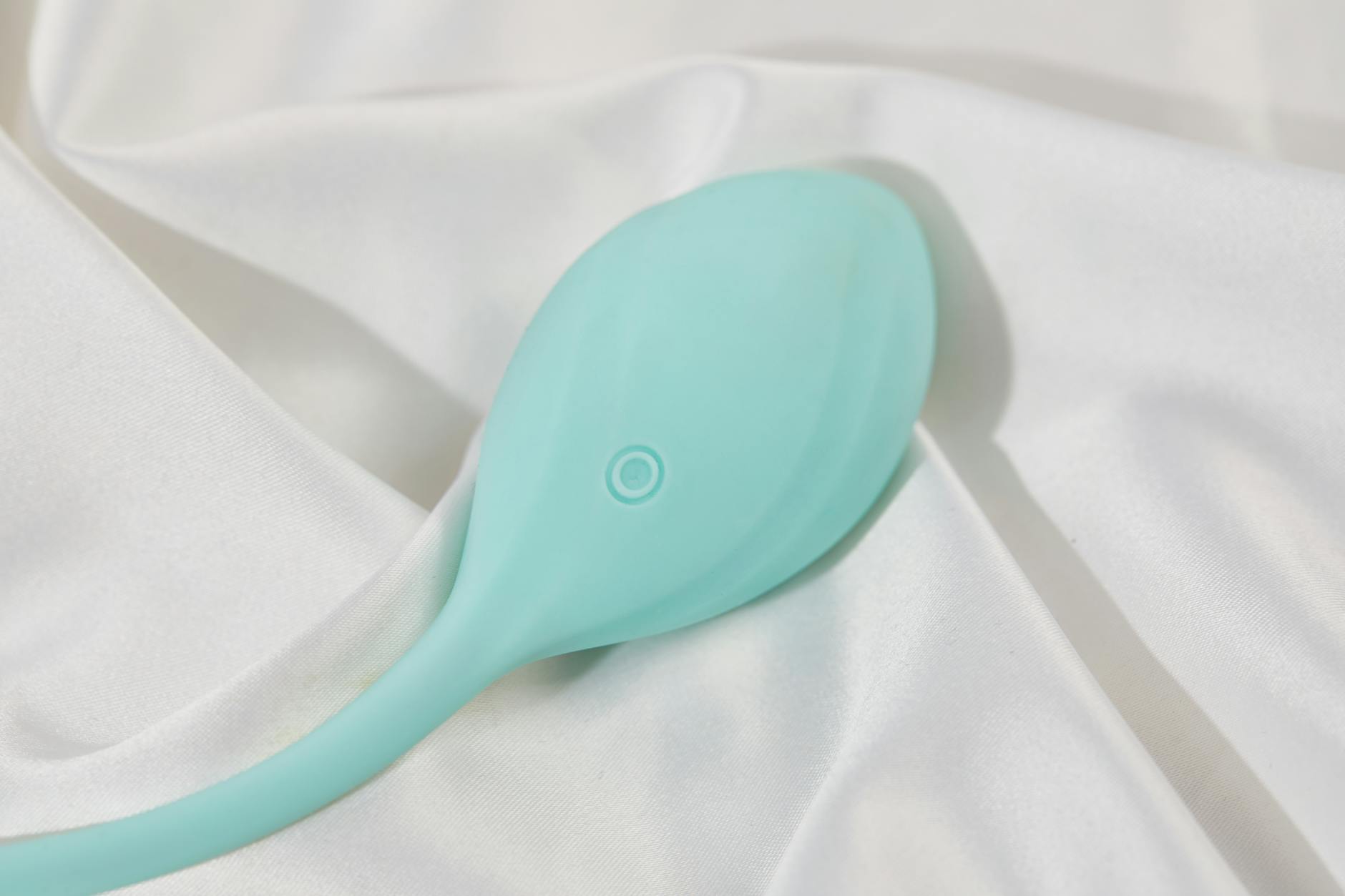
Why Lemon Vibrators Feel Different After Menopause
Estrogen shifts change sensation and response time. Here's what's actually happening in your body, why your lemon clitoral vibrator might feel intense or subtle, and how to recalibrate for the pleasure you deserve.
Menopause doesn't kill pleasure. But it does rearrange how sensation works in your body, and if you've been using lemon vibrators or other clitoral vibrators before, you might notice the experience feels different now. That's not a problem. It's physiology. And understanding the mechanics matters because it helps you stop blaming yourself and start adjusting your approach.
Here's the honest part: estrogen doesn't just regulate your cycle. It affects vulval tissue thickness, blood flow, natural lubrication, and how quickly your nervous system registers touch. When estrogen drops during menopause, those tissues thin slightly, blood flow patterns shift, and arousal takes longer to build. Testosterone also declines, which affects desire itself. Your body isn't broken. It's changed. And lemon clitoral vibrators work brilliantly in this new landscape once you know how to use them differently.
Lower estrogen means thinner, more delicate tissue in the vulva and vaginal opening. This sounds scary, but it's actually the reason many post-menopausal people report that air-pulse lemon vibrators like Hello Nancy's Lem feel better than traditional vibration. Suction stimulates nerves without the same mechanical pressure that can feel abrasive on thinner tissue.
You might notice that intensity settings that felt perfect before menopause now feel intense or even uncomfortable. This doesn't mean you've become more sensitive to everything. It means the tissue responding is literally thinner, so the same vibration registers differently. A medium setting can feel like high. This is a real change, not oversensitivity or anxiety.
Blood flow shifts matter too. Arousal happens through vasocongestion—blood rushing to the tissue. Post-menopausal bodies take 20-30 minutes to reach the same arousal level that took 10 minutes before. Your lemon sucker can't rush this, but it can guide it. Longer warm-up sessions at lower intensities work with your biology, not against it.
Traditional vibrators shake at a fixed frequency. Lemon vibrators, specifically those using air-suction technology, work through rhythmic pulse patterns that mimic the gentle compression and release sensation that clitoral tissue responds to naturally. For post-menopausal bodies, this matters enormously.
With reduced estrogen, your clitoral nerve density remains the same, but the surrounding tissue structure changes. You need stimulation that doesn't require deep friction. Suction-based tools like the Lem create sensation through air patterns and rhythm, not through mechanical vibration grinding against thinner tissue. It's a completely different stimulus path, and for many people, it's the reason they find post-menopause pleasure better, not worse.
You'll also notice arousal patterns changing. Before menopause, you might have felt responsive to spontaneous touch. Now you might need a specific sequence. Maybe you need to start at pattern 1, spend time there, then gradually build. Maybe you need a longer overall session. This isn't dysfunction. It's your nervous system working differently. Lemon clitoral vibrators are fast enough to follow you, so you can layer in your own rhythm instead of forcing your body to match a preset speed.
Genitourinary syndrome of menopause (GSM) is real and common. Your body produces less lubrication because estrogen supports the tissues that secrete it. This is not your fault. It's predictable biology.
Here's the thing: you don't wait and hope. You use lubricant, full stop. Water-based lubes are essential with lemon sexual toys because they're safe on silicone, and they increase glide and comfort dramatically. Start with a generous amount. Not because you're broken, but because thinner tissue benefits from it. Silicone-based lubes feel richer, but they can degrade silicone toys over time, so stick to water-based.
Many of my clients who've used lemon clitoral vibrators for years report that adding lube transformed their experience post-menopause. Not because they became unable to lubricate, but because the extra cushioning changes how sensation registers. It also makes sessions longer and more sustainable. You're not chasing a finish line anymore. You're exploring what feels good now.
Before menopause, you might have reached orgasm in 5-10 minutes. Post-menopause, budget 20-30 minutes, and do it without frustration. This is normal, and it opens something valuable: time to explore different settings, patterns, and sensations without rushing.
Many people find that this slower pace is actually a gift. You get to feel each stage. The lemon vibrators from Hello Nancy offer multiple patterns specifically because bodies in different hormonal seasons respond to different rhythms. Pattern 1 might be your warm-up now. Pattern 3 your sustained pleasure. Patterns 5-7 for variety or specific moments. You're not locked into one path.
Orgasms might also feel different—sometimes more subtle, sometimes more localized rather than full-body. Some people report that post-menopausal orgasms feel more concentrated in the clitoris itself, which is actually intensely pleasurable if you're expecting it instead of mourning what it used to feel like. Let your lemon sucker guide you to what feels good now, not to what it used to feel like.
Estrogen supports pelvic floor muscle tone. When it drops, those muscles weaken slightly, and sensation patterns shift. This is one reason why the Lem and similar lemon vibrators feel so good post-menopause. They're external, so they don't require pelvic floor strength to feel amazing. You can relax fully and still get tremendous sensation.
If you've been doing Kegels for years, keep going. They help with continence and sensation. But also practice the opposite: learning to fully relax your pelvic floor. As estrogen drops, tension builds more easily, and chronic tension makes clitoral touch feel less pleasurable. A minute of intentional relaxation, then using your lemon clitoral vibrator, often feels way better than approaching it with a tight pelvic floor.
Some people find that gentle internal touch (if that's in your practice) combined with external suction changes the sensation dramatically. The internal pressure combined with external air-pulse creates a completely different experience. Experiment. Your body is telling you what it likes if you listen instead of assuming everything breaks at menopause.
Menopause is packed with other transitions. Kids leaving home. Career changes. Grief. Relationship shifts. The temptation is to blame all sexual changes on hormones, but sometimes other things are wearing a hormonal disguise.
If you're with a partner, separate the conversations. "My body feels different" is different from "I want us to reconnect." "I need more time to get aroused" is different from "I'm not attracted to you anymore." Confusing them turns everything into a blame game nobody wins.
For people experiencing desire loss, it's worth asking: is this hormonal, or is it relational? Both are solvable. Hormonal desire loss responds well to specific treatments, while relational disconnection needs conversation and intentional reconnection. Your lemon vibrators can help with both, but they can't substitute for honesty about what's actually shifted.
If pain appears during sex or toy use, don't wait. GSM is highly treatable. Topical estrogen creams applied 2-3 times weekly can transform tissue thickness and lubrication in 3-6 weeks. Systemic hormone therapy is another path, though that's a bigger conversation with your provider.
If desire has completely flatlined and isn't responding to lube, longer sessions, or different tools, testosterone therapy is worth discussing with a menopause-informed provider. It's prescribed conservatively in some regions, but it's available, and for the right person, it's life-changing.
If orgasms are painful rather than just feeling different, see a specialist. Post-menopausal dysorgasmia (pain during orgasm) is real and treatable, often through pelvic floor physical therapy combined with topical medication.
Menopause is not the end of the road. It's a plot twist. The architecture of your pleasure changes, yes, but the capacity doesn't. Many of my clients report that their best orgasms of their lives have come post-menopause. Not because the anatomy got better, but because the context did: less reproductive anxiety, more time, clearer knowing of what feels good, more permission to take pleasure seriously.
Your lemon vibrator isn't designed for the body you had at 25. It's designed for you now. Lower intensities can feel more nuanced when you stop pushing for the response you used to have. Longer sessions become meditation instead of efficiency sprints. Different patterns become exploration instead of searching for the "right" setting.
Start at pattern 1. Budget time. Use lubrication without shame. Let yourself feel different sensations and call that information, not loss. Your body is still brilliantly yours. It's just speaking a new language now.
The tissue in your vulva becomes thinner as estrogen drops, so the same vibration registers with more intensity. Thinner tissue vibrating at the same frequency creates more mechanical force relative to the surface area responding. This isn't oversensitivity. It's physics. Solution: start at lower intensity settings and build gradually. Air-suction vibrators often feel better because they don't rely on mechanical grinding.
Absolutely. Vaginal dryness is managed with water-based lubricant, not by avoiding vibrators. In fact, many people find that using a vibrator with lubrication is exactly what works post-menopause. The lube cushions the tissue and improves glide, making sensation better. Apply generous amounts and reapply as needed.
Air-suction vibrators like the Lem tend to work better for post-menopausal bodies because they stimulate through pulse patterns rather than mechanical vibration. This is gentler on thinner tissue while still providing intense sensation. That said, everyone's body is different. What works best is what you're drawn to experimenting with.
Budget 20-30 minutes for full arousal to build, compared to maybe 10 minutes before menopause. This is normal. Use those extra minutes for foreplay, self-exploration, or just enjoying the escalation. Longer sessions often feel more sustainable and pleasurable than quick ones, especially with tools designed for extended play.
Yes, typically. If you start topical estrogen or other hormone therapy, tissue thickness and lubrication improve within weeks, and sensation patterns often shift back toward what you remember. Some people find they prefer their vibrator differently after hormone therapy takes effect. Be open to re-exploring your preferences.
Very normal. Estrogen supports vaginal lubrication, so less estrogen means less natural lubrication. This isn't dysfunction. It's biology. Keeping water-based lube nearby is like keeping water while exercising. You're supporting your body to do what you want to do. No shame, no stigma. Just practical care.
Menopause changes the landscape, not the destination. Your lemon sexual toys still work. Your capacity for pleasure is still there. Your clitoris still has the same nerve density. What's different is the tissue supporting it, the blood flow feeding it, and the hormonal context surrounding it. When you adjust your approach to match your new physiology, pleasure often comes back bigger and better than before.
If you want to dig deeper into this, I'm here to help. Reach out to Hello Nancy and let's talk about what's shifting for you and how to recalibrate your pleasure practice for your body right now.