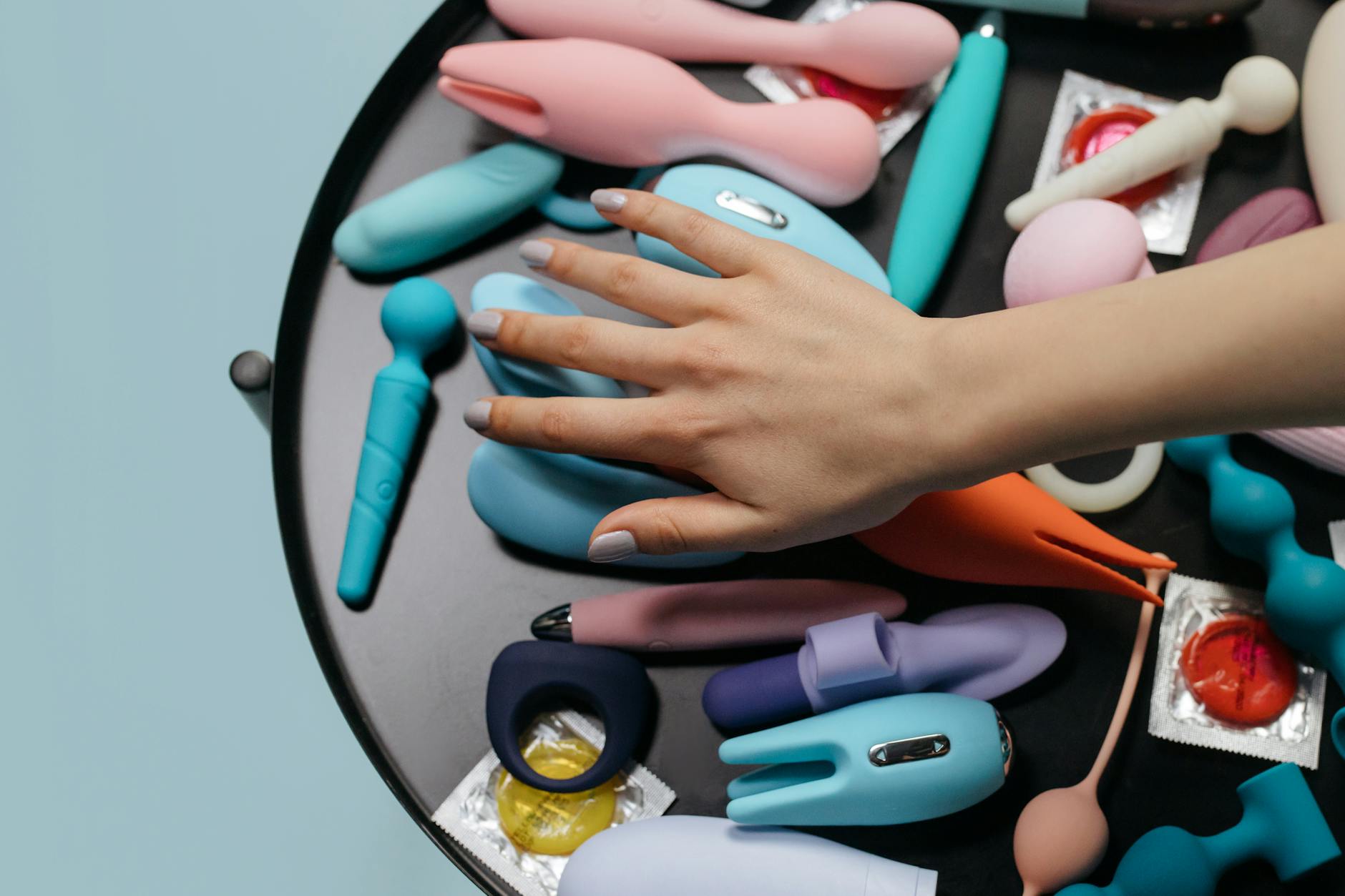
Let's talk about pleasure as medicine
You know that tight, wound-up feeling that sits in your chest when you're anxious? That's your nervous system in sympathetic overdrive. Fight-or-flight mode never switched off. The conventional fix is meditation, exercise, therapy, maybe medication. All solid. But there's one tool that almost nobody talks about in polite conversation, even though the research is clear: intentional pleasure.\n\nLemon vibrators, specifically lemon clitoral vibrators, trigger a cascade of neurochemical changes that do what most anxiety medications are trying to do anyway. Lower cortisol. Flood your system with oxytocin and dopamine. Reset your nervous system to parasympathetic (rest-and-digest) mode. The difference is the sensation is actually enjoyable.\n\n## The neuroscience of pleasure under stress\n\nWhen you're chronically anxious, your amygdala (the alarm center of your brain) is hyperactive. Your prefrontal cortex (the part that says "we're actually safe") is quieter. Arousal and orgasm do something unusual: they temporarily silence the amygdala and light up the reward centers instead.\n\nFunctional MRI studies show that during orgasm, the part of the brain that processes fear and anxiety goes quiet. Cortisol drops. Oxytocin (bonding, calm, trust hormone) spikes. Your heart rate normalizes. This isn't placebo. This is measurable physiology.\n\nThe reason lemon vibrators work particularly well for this is the design. The air-pulse technology of lemon clitoral vibrators creates a stimulation pattern that builds sensation gradually rather than jolting it. Your nervous system gets to ease into the shift instead of being shocked into it. That matters for anxious bodies, which often have a heightened startle response.\n\n## How anxiety changes sexual response\n\nHere's the thing about being chronically stressed: your body deprioritizes pleasure. Blood flow redirects to your core muscles (fight-or-flight preparation). Your ability to get aroused narrows. Some people lose desire entirely. Others find that even when they want pleasure, their body won't cooperate.\n\nThis is where lemon sexual toys become almost therapeutic. They work with sensation rather than fighting it. A lemon vibrator designed for clitoral stimulation meets your body where it is right now, not where you think it "should" be. You don't have to wait for arousal to build naturally. You can use the tool to help your nervous system downshift.\n\nMany of my clients describe it as permission. Permission to do something just for themselves that feels good. That act alone, separate from the physical sensation, starts rewiring the anxiety loop.\n\n## The specific mechanics of lemon vibrators for stress relief\n\nThree design features make lemon adult toys particularly effective for anxiety management:\n\n Lemon vibrators come with multiple intensity levels. You can start at barely-there sensation and let your body adjust, which is crucial for anxious nervous systems. Jumping straight to maximum intensity can backfire, triggering a stress response instead of calming one.\n\n Unlike partner stimulation, which requires communication and negotiation, a lemon vibrator follows the same pattern every time. That consistency is grounding for anxious people. You know exactly what to expect.\n\n You set the pace, the intensity, when to stop. There's zero performance pressure. Anxiety often comes wrapped in perfectionism and the need to perform. Removing that variable removes a huge stressor.\n\nStart with pattern 1 or 2. Spend 10-15 minutes. The goal isn't orgasm initially. It's nervous system recalibration. Some days you'll want to go further. Some days you'll just want the baseline calm that comes from 10 minutes of pleasurable sensation. Both are valuable.\n\n## The difference between quick relief and long-term rewiring\n\nUsing a lemon clitoral vibrator for acute anxiety works immediately. Cortisol drops within minutes. You get maybe 2-6 hours of genuine calm afterward. That's not nothing.\n\nBut the longer-term benefit is subtler and more powerful. Regular pleasure practice actually rewires your baseline stress response. Your nervous system learns that rest and pleasure are safe. You become less reactive. Over weeks and months, your general anxiety level often drops.\n\nThis is why I recommend lemon vibrators as part of a broader toolkit, not as a replacement for therapy or medication. It works best alongside other practices: exercise, sleep, maybe medication if that's right for you. The combination compounds.\n\n## Timing matters more than you think\n\nWhen you use a lemon vibrator for anxiety affects how much it helps. Ideally, use it when you're just past the peak anxiety moment. If you're in acute panic, self-soothing with touch is better (deep breathing, a weighted blanket, your own hands). Once that initial spike passes and you're in the "I'm stressed and stuck" phase, that's when lemon sexual toys shine.\n\nMany people find evening is ideal. Stress has accumulated all day. A 15-minute session with a lemon vibrator helps you metabolize it rather than carrying it into sleep. You sleep better. You wake up less activated. The next day's stress baseline is lower.\n\nSome people also find mid-afternoon useful, especially if their anxiety spikes mid-workday. A quick session in the bathroom or bedroom can reset your nervous system enough to power through the rest of the day without white-knuckling it.\n\n## How to build this into your routine without guilt\n\nHere's where I see people get stuck: they feel like using a lemon clitoral vibrator for stress relief is "cheating" at self-care. It should be meditation or a run or something that feels virtuous. That's the anxiety talking.\n\nPleasure is a biological need. Anxiety is your body stuck in a dysregulated state. Using a tool that addresses both is not indulgence. It's maintenance.\n\nStart small. Once a week. Notice what shifts. If it helps and feels good, add a second session. No pressure to make it a daily thing unless that works for you. The goal is sustainable and honest.\n\nIf you have a partner, you don't have to explain it as "stress relief." You can, if you want. But you also don't owe anyone a justification for solo pleasure. That's your body. Your time. Your nervous system.\n\n## When to layer in other tools\n\nIf your anxiety is tied to disconnection from your partner, solo time with a lemon vibrator is step one. Step two is often rebuilding intimacy together. explores that transition.\n\nIf your anxiety spikes around your cycle, there's a secondary mechanism at play. digs into how hormones interact with pleasure response.\n\nIf you're anxious about the vibrator itself, that's also normal and treatable. Start with external stimulation only. Take it slow. There's no timeline.\n\n## FAQ\n\n### Can using a lemon vibrator actually lower cortisol, or is that hype?