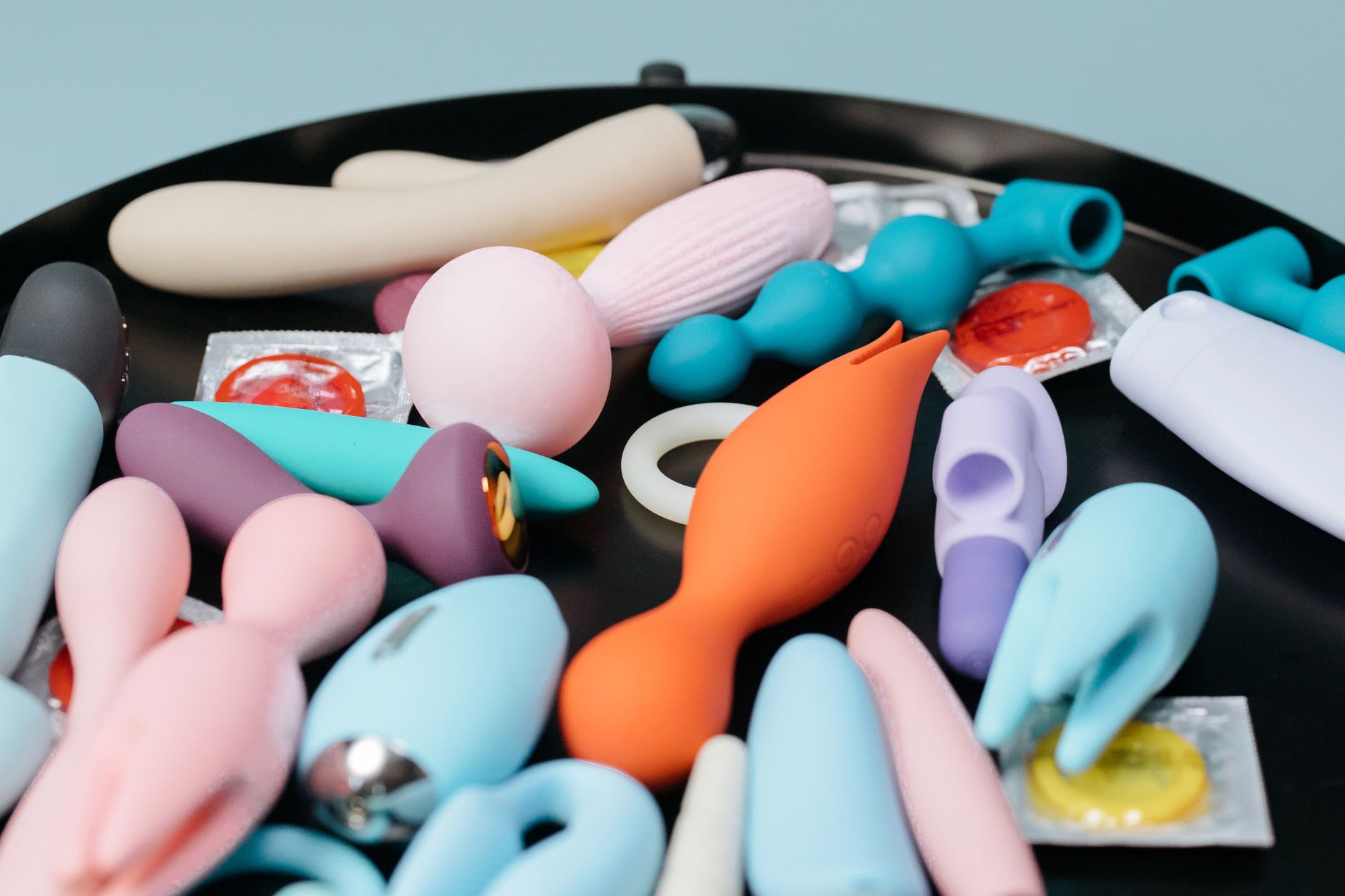
The debate is real. Air-pulse suction toys and classic vibrators activate different nerve pathways. Here's how they feel different, and which might be your match.
If you've been scrolling through clitoral vibrators, you've probably noticed two camps: the traditional vibrators that buzz, and the air-pulse toys that suck and pulse. Both work. Neither is objectively better. But they feel wildly different, and which one makes you lose your mind depends entirely on your body and what you want from the experience.
I'm going to walk you through the actual neuroscience, the physical differences, and the honest pros and cons of each so you can stop guessing and start knowing.
A classic vibrator uses rapidly moving mechanical oscillation. The motor vibrates side-to-side or up-and-down at speeds usually between 7,000 and 10,000 vibrations per minute. This sends a continuous signal through the clitoral nerve endings, which cluster densely in the vulva.
When you press a traditional vibrator against the clitoris, you're essentially creating a consistent, high-frequency stimulation that the nerve endings register and relay back to the brain. The sensation builds gradually. Orgasms tend to feel more like a wave: the intensity climbs, peaks, and then subsides.
Traditional vibrators are older technology, cheaper to manufacture, and what most people grew up thinking of as "the vibrator." They're reliable, straightforward, and excellent at sustained stimulation.
Air-pulse technology (sometimes called "suction" or "pulsing air") works on an entirely different principle. Instead of vibration, these toys (like the Lem clitoral vibrator from Hello Nancy) create gentle suction and rhythmic pulses of air around the clitoris.
Think of it less like a buzzer and more like a soft mouth. The device creates a pressure differential that draws tissue upward slightly, then releases. This stimulates a different set of nerve receptors than vibration does. Where vibration is constant frequency, air-pulse is rhythmic and cyclical.
The sensation is less abrasive. Because there's no direct friction, many people find air-pulse toys feel more comfortable on sensitive tissue, especially post-menopause or for people with vulvar pain conditions. The orgasms tend to feel more sudden and intense, sometimes more localized.
Here's where it gets interesting. Your clitoris has two main types of nerve endings: those that detect sustained pressure and vibration (Meissner's corpuscles and Pacinian receptors), and those that detect light touch and changes in stimulus (Merkel cells and Meissner's corpuscles again). Different receptors fire under different conditions.
Traditional vibration activates the Pacinian receptors most strongly. These receptors love high-frequency input and adapt slowly, which is why sustained vibration keeps working without losing effect.
Air-pulse stimulation activates a broader range of receptors because it combines sustained gentle pressure with rhythmic pulsing. The stimulus changes, so the neurons don't habituate (get bored) as quickly. This might explain why some people find air-pulse toys less likely to cause numbness even with extended use.
In plain terms: your nervous system experiences these two types of stimulation as genuinely different inputs. That's not placebo. It's biology.
If you know exactly what gets you there, traditional vibrators are the workhorse. They're predictable. You can dial in the exact pressure and position and get consistent results.
They're also better if you like sustained, building pleasure that gradually intensifies. If your sweet spot is a long, slow climb to orgasm, vibration lets you stay in that building phase. Many people use them during partnered sex because a partner can control the positioning while you relax.
Traditional vibrators are also smaller and more discreet on average. If you travel or live with others, a small bullet vibrator is easier to hide and explain away if found.
The downside: over time, some people report diminishing sensation or numbness with very high-frequency vibration, especially if used daily or for extended sessions. It's not permanent, but it means you might need to take breaks or rotate toys.
Air-pulse toys shine if you have sensitive tissue or if traditional vibration feels too intense. They're particularly valuable if you experience vulvodynia, have recently given birth, or are navigating post-menopausal changes. The gentleness of suction versus direct pressure makes a real difference for many bodies.
You also might prefer air-pulse if you want something that feels less "mechanical" and more sensual. The rhythm of air-pulse toys mimics something closer to a hand or mouth, which appeals to people who find direct buzzing too clinical.
Organically, air-pulse toys often produce faster, more sudden orgasms. If you want intensity compressed into a shorter timeframe, they tend to deliver.
The drawback: they're usually more expensive, and if you hate the sensation, you've spent significantly more money on something that doesn't work for you. They also require a sealed contact with the skin to work, so positioning matters more than it does with traditional vibrators.
Honestly? The best predictor is your hand. Try this: use two fingers to vibrate rapidly against your clitoris (fast, buzzing motion). Then try gentle suction with your mouth or fingers (steady pressure that changes rhythmically). Notice which rhythm and intensity pattern feels more natural to your body.
If you naturally gravitate toward fast, sustained friction, a traditional vibrator will feel intuitive. If you prefer rhythmic, cyclical pressure, air-pulse is your lane.
You can also test this by borrowing a friend's toy or buying a cheaper traditional vibrator first (many are under $30) before investing in a pricier air-pulse device. There's no shame in trying both categories.
Many people don't choose. They own both and rotate depending on mood, time available, and what their body needs that day. A traditional vibrator might be your daily go-to, and an air-pulse toy might be your weekend luxury when you have time to slow down.
This approach also helps with habituation. If you switch between stimulation types, your nervous system stays engaged and responsive. You're less likely to hit that numbness wall.
If you're specifically curious about lemon-style clitoral vibrators, the air-pulse category dominates this shape. The Lem vibrator from Hello Nancy, for instance, uses air-pulse technology because the design is optimized for it. The shape, the seal, the pressure pattern all work together.
Lemon adult toys in the air-pulse category tend to be marketed toward people looking for something gentler, more sensual, and different from what they've tried before. The citrus shape is partly aesthetic and partly functional. The design allows you to control the width of the stimulation zone, which traditional vibrators can't always do as precisely.
If you're drawn to the idea of a lemon sucker or lemon clitoral vibrator specifically, you're probably drawn to air-pulse technology even if you didn't realize it. That's a genuine preference emerging from your body's actual needs.
Yes, but it's less common and usually takes longer. Air-pulse toys don't habituate (make nerves less responsive) as quickly because the stimulus type changes rhythmically. That said, if you use any toy daily for long sessions, you can experience temporary numbness. Taking a day or two off resets everything.
Absolutely. Hormonal birth control can slightly affect sensation and arousal, but it doesn't prevent air-pulse toys from working. Some people on hormonal BC actually prefer air-pulse toys because they're gentler and less reliant on achieving rapid engorgement. If you've struggled with traditional vibrators on birth control, air-pulse is worth trying.
Yes, and many people do. Some start with air-pulse for the buildup, then switch to a traditional vibrator for the final intensity. Others reverse the order. Your body will tell you what sequence feels best. Just clean both toys before use if you're alternating.
Most lemon-shaped vibrators marketed today are air-pulse because the design is particularly suited to suction-based stimulation. The sealed contact and the shape make air-pulse toys more effective in this form factor. You might find some traditional vibrators in fruit shapes, but they're less common.
Traditional vibrators are usually easier for partners to handle because they're more forgiving of pressure and positioning. Air-pulse toys require more precise placement to seal and work effectively. If a partner is holding the toy, traditional might be simpler. That said, some couples love the sensuality of air-pulse toys during partnered play. It depends on your dynamic.
Look for consistent, rhythmic pulsing and a sealed design. A good air-pulse toy creates a genuine suction sensation, not just air movement. If it feels like a vibrator trying to do air-pulse (rapid buzzing with suction), it's probably not a true air-pulse device. Check reviews specifically about seal quality and sensation.
Neither vibration style is objectively superior. Your nervous system has preferences, and learning what yours actually responds to beats guessing. If you've only tried traditional vibrators, air-pulse toys (particularly lemon clitoral vibrators and other air-pulse designs) might unlock something you didn't know was possible for your body.
If you're just starting out and unsure, begin with a traditional vibrator. They're affordable, reliable, and a solid baseline. Once you know what that feels like, you can explore air-pulse technology from an informed place.
Your pleasure matters. That means it's worth testing, learning, and choosing what actually works for you, not what the internet told you to want. Want more specifics on getting started? Check out the complete guide to lemon vibrators for a deeper dive into air-pulse toys and how to choose your first one.
Orgasm, physiological responses and human sexuality (Human Sexuality: A Contemporary Introduction, 2nd ed., 2006) reviews clitoral nerve anatomy and response patterns. Merkel, A., et al. (2021) on mechanoreceptor classifications and vibration sensitivity thresholds provide the neurophysiological foundation for vibration versus air-pulse differences. O'Connell et al.'s work on clitoral anatomy (2005) established the density and distribution of nerve endings that respond differently to sustained versus rhythmic stimulation.