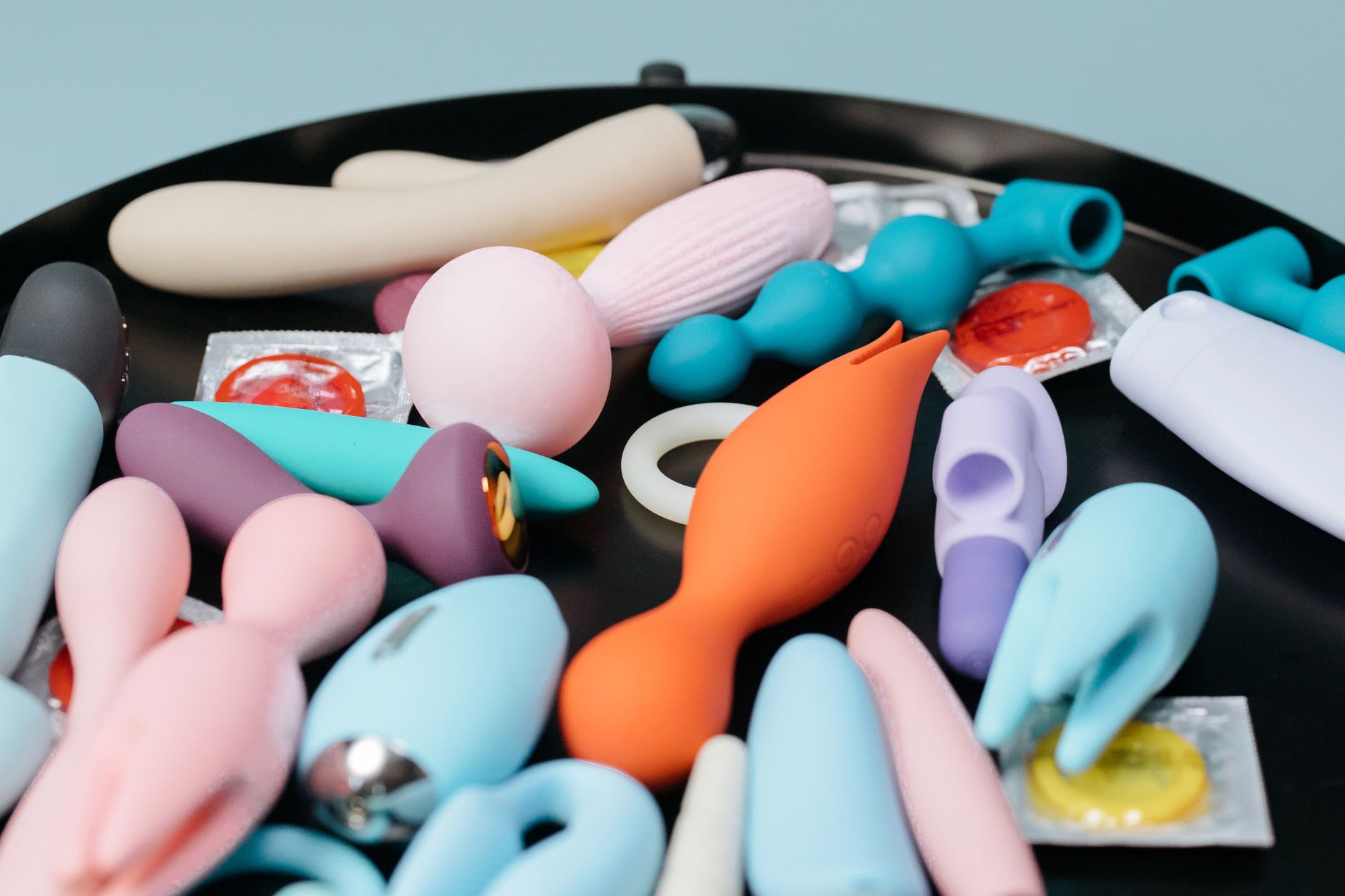
How to Use a Lemon Vibrator With a New Partner for the First Time
The conversation feels scarier than it needs to. Here's the playbook for introducing clitoral toys without awkwardness, plus timing and technique that actually work.
Introducing a lemon vibrator or any clitoral toy to someone you've just started sleeping with feels risky. What if they think you're not satisfied? What if they take it personally? What if the whole thing becomes awkward instead of sexy?
The plot twist: that anxiety is almost always bigger than the actual conversation. Most partners are relieved to know what actually gets you there. Many find it hot.
A lemon vibrator is a tool. The conversation is the engine. You can have the best clitoral vibrator in the world, but if your partner doesn't understand why you want it or what it means, you're building tension instead of pleasure.
Here's what tends to happen when people skip the conversation and just pull out a toy mid-session: the partner feels blindsided, assumes something's wrong, or worries they're not enough. None of that is true. But without context, they don't know it.
I tell couples this in therapy regularly. The vibrator isn't about replacing them. It's about you knowing your own body well enough to ask for what makes you feel good. That's attractive.
You want to introduce the idea when you're both clothed, fed, and not actively trying to have sex. This isn't a mid-sex surprise. It's a conversation over coffee or after dinner, when there's room to talk without the pressure of performance.
Say something like: "I've been thinking about trying something that I think would feel really good for me. I want to see if you'd be open to exploring that together." You're naming the thing, you're inviting them in, and you're giving them a clear yes-or-no question.
Timing also matters in the relationship arc. If you're three weeks in and still in the "everything is perfect" phase, this lands differently than if you're three months in and you've already had some vulnerability between you. Most people find that waiting until you've been together four to six weeks gives you both enough trust and comfort to have the conversation without overloading it.
"I want to explore what feels best for my body, and I'd love to have you there with me."
"I get off faster with certain kinds of stimulation, and I'd love to show you what that looks like."
"There's something I've been curious about trying, and I think it would feel amazing. Are you open to that?"
Things that backfire:
"You're not getting me there alone, so..." (makes it about their failure)
"Most women need this to orgasm." (puts pressure on them to perform a role)
"It's just a lemon vibrator, no big deal." (seems like you're minimizing their feelings)
The difference is framing. You're not announcing a problem. You're inviting them into something that turns you on. That's collaborative, not corrective.
After you've had the conversation, the next step is showing them how it works. Not during sex yet. Actually show them.
Hold the vibrator, run your finger over the settings so they see the controls. Explain that it's a clitoral suction toy (if that's what you've chosen), and that the sensation is different from friction alone. Tell them what intensity you usually start with and how long it typically takes you to feel something.
This removes mystery. It also keeps them from accidentally launching it at full power during a crucial moment, which is both uncomfortable and unsexy.
When you first use it together, have them present but not necessarily doing all the work. You might hold it, or they might, but the point is they see what your pleasure actually looks like. That's information they can use. It also builds confidence. When your partner realizes they can see exactly when you're responding, they feel less like they're guessing and more like they're actually present.
There are roughly three ways this unfolds, and any of them are fine.
Option one: You direct, they assist. You hold the vibrator and they focus on other kinds of touch. That might be hand stimulation elsewhere, kissing, talking to you, or just watching and being emotionally present. This keeps you in control of intensity and angle, which is helpful when you're still figuring out what feels good with this person.
Option two: They hold it, you guide. You talk them through it. "A little higher," "slower pattern," "stay right there." This builds communication skills between you. It also lets them feel like they're actively participating in your pleasure, which most people find deeply satisfying.
Option three: You use it solo while they're involved in other ways. This is particularly useful early on, when introducing too many new variables at once creates friction. You're essentially using a lemon vibrator the way you would alone, but with a partner present and engaged. That's not a lesser version. It's actually a smart way to establish your own pleasure without adding the complexity of coordinating with someone else.
The pattern you choose depends on what feels safe and exciting for both of you. None of them is the "right" one.
They seem uncomfortable or quiet. Check in directly. "How are you feeling?" often reveals that they're actually turned on and just concentrating, or that they have a question they didn't know how to ask. Sometimes they're comparing themselves to the toy, which is a separate conversation. If that's the case, remind them that a vibrator doesn't replace sensation from a partner. It augments it. They complement each other.
They want to use it on you but it doesn't feel right. That's data. Some people benefit from a partner using the toy because the sensations are more integrated. Others find it harder to concentrate. If it's not working, you can always say, "Actually, I think I want to try this solo for a bit and then we can do something else." You're not failing. You're adjusting.
You orgasm faster and they feel rushed. Have this conversation afterward, not in the moment. Let them know that the speed is about the specific stimulation, not about your interest in them. Reassure them that you still want to spend time together, and that their pleasure matters too. Consider building a pattern where you orgasm first (with the toy), and then you focus on them. That takes pressure off both of you.
I see this in my practice constantly. The couples who can talk about pleasure without shame, who can introduce toys without it becoming a referendum on the relationship, tend to have more satisfying sex over time. Not just physically, but emotionally.
Here's why: you're practicing vulnerability. You're saying, "This is what I like, and I trust you enough to show you." That's intimate. And your partner, by being open to it, is saying, "Your pleasure matters to me, and I want to understand you better." That's the opposite of taking things for granted.
Introducing a lemon vibrator isn't about upgrading the sex. It's about deepening the communication. The toy is just the vehicle.
Q: Is it weird to introduce a vibrator in the first two weeks of dating?
Yes, usually. Not because there's anything wrong with wanting pleasure early on, but because you haven't built enough trust yet for someone to hear "I want to use a toy" without their brain jumping to "something's wrong with me." Give it four to six weeks. The conversation lands differently once you've already been vulnerable in other ways.
Q: What if my new partner says no?
That's useful information. If someone is uncomfortable with toys, you get to decide whether that's a dealbreaker for you or not. Some people come around with time and reassurance. Others don't, and that's their right. If pleasure and exploration matter to you, you're allowed to let that inform your decision about the relationship.
Q: Should I tell them I use a lemon vibrator alone before mentioning using one together?
Not necessarily. You don't owe them a sexual history. What matters is introducing it as something you want to explore together, not as a confession. The difference is subtle but real.
Q: Can I surprise them with a lemon vibrator during sex?
I'd recommend against it. Surprise removes consent and context. Someone might freeze, panic, or feel violated instead of turned on. The conversation takes five minutes. The payoff in trust and comfort is worth it.
Q: What if we start using a toy and then they want to use it constantly?
That's a rhythm conversation. Some partners get excited about toys because they see you light up. Others worry they're not enough anymore. Check in about what's driving it. Sometimes it's just novelty. Sometimes there's insecurity underneath. Address that directly, not through the toy.
Q: How do I know if a lemon clitoral vibrator is the right toy to introduce first?
Start with something mid-range in intensity and versatile in use. A lemon vibrator works well because it has multiple patterns and manageable intensity levels, plus it's designed for external stimulation only. That's less intimidating for a new partner than something more extreme. You want them thinking "oh that's cool," not "oh no, what is that."