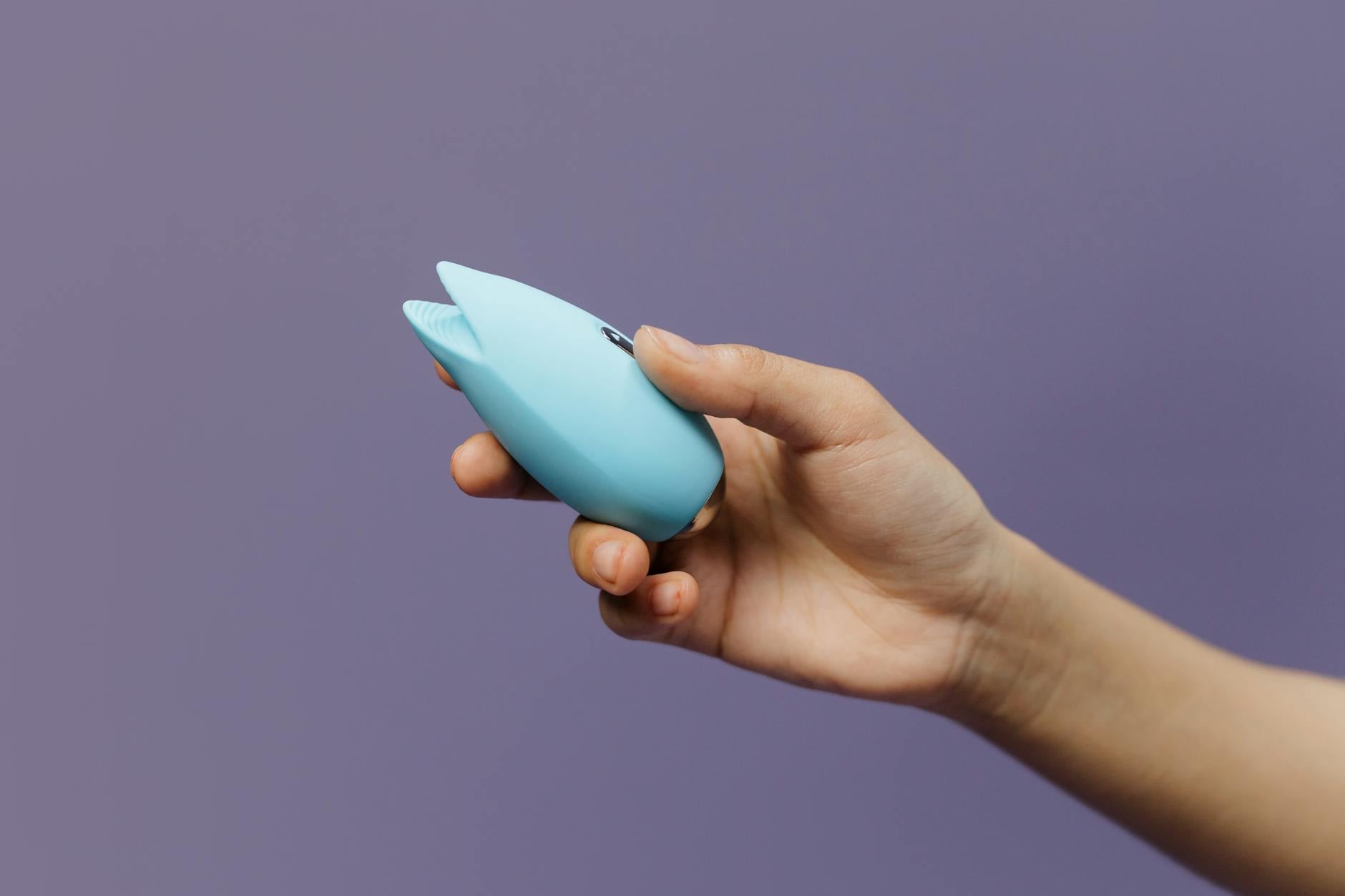
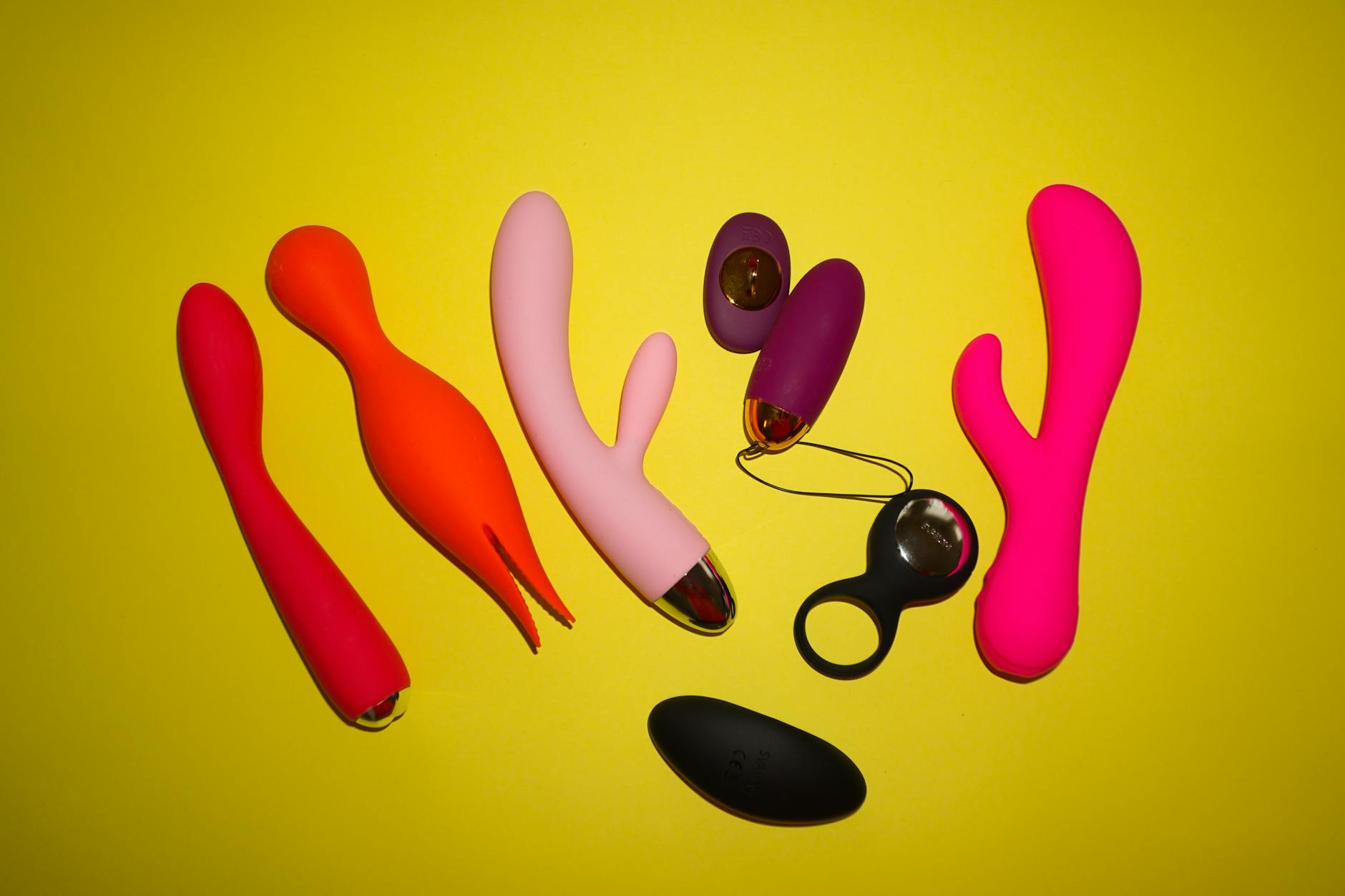
One of you wants sex more. Maybe it's you, maybe it's them. Either way, that gap between your desire and theirs is creating a low hum of tension that doesn't go away just because you love each other. You're not broken. Neither are they. But the mismatch is real, and pretending it doesn't exist only makes it worse.
Here's what I see in my practice: couples with mismatched libidos often fall into one of two traps. One partner starts to feel rejected or resentful. The other feels pressured and shuts down further. A lemon vibrator or clitoral vibrator can interrupt that cycle, but only if you use it as part of a bigger conversation, not as a workaround.
Most people assume libido mismatch is about attraction. It almost never is. What actually drives the gap:
Stress and mental load. The partner with lower desire often has more cognitive overhead. They're managing anxiety, work pressure, caregiving, or just the general weight of life. When your nervous system is in fight-or-flight, arousal is last on the list.
Different baseline sexuality. Some people are wired for higher desire. It's not a character flaw in either direction. It's just how they're built. One person might need sex twice a week to feel connected. The other might need it twice a month. Both are normal.
Touch starvation. This one's counterintuitive: sometimes the partner with lower desire is actually craving touch, but not the kind that leads to sex. If every touch feels like it's escalating toward intercourse, they'll start avoiding touch altogether. Now you're both touch-starved, and the gap widens.
Relational friction. If you're not connecting in other ways, sex becomes transactional. Nobody's excited about that.
Before you bring a lemon vibrator into this, you need to talk. Not during sex or foreplay. Not in bed at night. Find a neutral time, maybe over coffee on a weekend, and say something like this:
"I've noticed we want sex at different frequencies, and I don't want that to become a source of resentment between us. I love you, and I also have needs. Can we talk about what's actually going on?"
Then listen. Actually listen. The answer might be "I'm exhausted," "I feel pressured," "I don't feel connected to you right now," or "I'm just not a high-desire person." All of those are fixable, but only if you know what you're dealing with.
From there, you can work toward what I call "desire literacy." That just means: each of you gets curious about what actually turns you on, what blocks you, what helps. It's not about fixing the other person. It's about understanding yourself and being understood.
A lemon vibrator works here for a specific reason: it lets you access your own pleasure independently while your partner can be present, or not, without the pressure.
Here's what I mean. If the lower-desire partner feels like every intimate moment is a demand for sex, they'll start avoiding it. But if you have a solo outlet for pleasure, suddenly sex becomes optional for both of you. That's where the magic happens. When sex isn't the only way you're getting your needs met, you stop weaponizing it. And when there's no pressure, the lower-desire partner often naturally wants it more.
A lemon vibrator is particularly good for this because it's quick, intense, and you can use it alone. If your partner is willing to be in the room, even doing their own thing, that's connection without demand. If they're not ready for that, you have an option that doesn't leave you stranded.
Option 1: Solo pleasure, shared space. You use your lemon vibrator while your partner is in the room reading, scrolling, or just being present. You're not demanding their participation. You're not asking them to perform. You're just meeting your own need. Many couples find this creates a weird kind of intimacy that's actually really bonding. The lower-desire partner often becomes curious and more engaged once the pressure is off.
Option 2: Parallel pleasure. Your partner uses a lemon vibrator too, or engages with their own pleasure in another way. You're both meeting your needs simultaneously. This can feel less isolating than solo use, and it normalizes the fact that you have different frequencies.
Option 3: Integration into partnered sex. If and when you're together, a clitoral vibrator can help you reach orgasm faster. Sounds tactical, but it actually reduces performance pressure on both of you. You're more likely to finish. They don't have to wonder if they're "doing it right." Everybody wins.
Using a lemon vibrator when your partner's libido is lower than yours will bring up feelings. Resentment, loneliness, rejection, maybe even shame. Those feelings are real and valid. Don't skip over them.
If you're the higher-desire partner, you might feel like you're settling. You're not. You're adapting to reality and choosing your relationship anyway. That's actually a form of love.
If you're the lower-desire partner and your partner starts using a vibrator, you might feel threatened or relieved or both. That's also normal. The key is talking about it. "I want you to feel good. I also want us to feel connected. Let's figure out what that looks like."
One thing I always tell couples: mismatched desire is one of the most solvable relationship problems if you stop treating it as a personal failing and start treating it as a logistics problem. It's not "you don't want me enough." It's "we have different needs and we're going to build a system that works for both of us."
If the gap is creating serious resentment, if one partner feels completely shut down, or if you can't seem to talk about it without fighting, see a couples therapist. Mismatched libido is one of the most common things I work on, and it's hugely treatable. A lemon vibrator is a tool, not a solution, but it can be part of one.
There's also the possibility that medication, stress, hormones, or a health issue is driving the lower desire. That's worth exploring with a doctor. Sometimes the answer is simpler than you think.
Your desire is not something to feel ashamed of. Neither is your partner's lower desire. You can use a lemon vibrator to rebuild desire after relationship conflict or you can use it to get through a season where your needs don't align. The tool is neutral. What matters is that you're both on the same team, trying to solve a real problem together.
When you get there, when you've stopped treating mismatched desire like a personal rejection and started treating it like a puzzle you're solving together, something shifts. You might not have the same frequency. But you'll stop resenting each other for it. And often, that's enough to bring the desire closer together anyway.
Not if you approach it the right way. The key is framing it as a tool for meeting your needs, not as a commentary on their performance. If your partner feels like the vibrator is replacing them, that's a conversation issue, not a vibrator issue. Talk about why you want to use it, and ask what would make them feel secure. Sometimes just knowing it's not about them is enough.
Honestly, probably not long-term. Hiding it creates a different kind of distance. Start with the conversation about mismatched desire first. Once you've talked about that, introducing the vibrator as a tool feels like a natural next step instead of a secret.
That's worth naming directly. "Using a vibrator isn't about you. It's about my body, my nerves, and what feels good to me. You and a vibrator aren't in competition." And then actually demonstrate that. If you use it during partnered sex or with them present, it makes it real.
Very normal. When someone feels like sex is a demand rather than an invitation, they'll resist it. But once the pressure is off and they know you have another outlet, a lot of lower-desire partners actually become more interested. It's counterintuitive, but it works.
Yes, if you use it as part of reconnection rather than as an escape. If you're using your vibrator together, talking about pleasure, being curious about each other's bodies, that's deep intimacy. The vibrator is just the vehicle.
Then you might be dealing with a deeper incompatibility or a health issue. See a couples therapist or a sex therapist. Sometimes the answer is real couples work. Sometimes the answer is adjusting your expectations about what desire should look like. Sometimes it's realizing you need different things. All of those are okay outcomes, but you need professional help to figure out which one is yours.
Mismatched desire is hard. It creates real pain and real distance. But it doesn't have to end your relationship, and it doesn't have to leave you feeling resentful or shut down. A lemon vibrator, paired with honest conversation and genuine curiosity about each other, can actually become the thing that brings you closer. Not by making you have more sex, but by taking the pressure off and letting you both feel good. And when you both feel good, connection usually follows.
If you're struggling with this, reach out. We can talk about what's really going on and build a plan that works for both of you.