Here's the thing about starting solo pleasure at 35, 45, or 55
You're not behind. You're not broken. You're also not "making up for lost time" in the way that phrasing suggests. What you are is curious, and that's the only permission you need.
Self-Pleasure
You didn't explore this in your twenties. That doesn't mean you're late. Here's how to start without pressure, shame, or anyone else's timeline.
You're not behind. You're not broken. You're also not "making up for lost time" in the way that phrasing suggests. What you are is curious, and that's the only permission you need.
I work with women who come to solo pleasure for the first time after decades of partnered sex, or no sex at all, or years of focusing on everyone else's needs. The shame that shows up isn't about the act itself. It's the voice in your head saying you should have figured this out already. That voice is wrong.
Three real reasons.
First: You've had time to absorb the belief that your pleasure belongs to someone else, or that wanting it is selfish, or that your body should perform on command. None of that is true, but you've heard it from culture, from partners, from family. Unlearning it takes conscious effort.
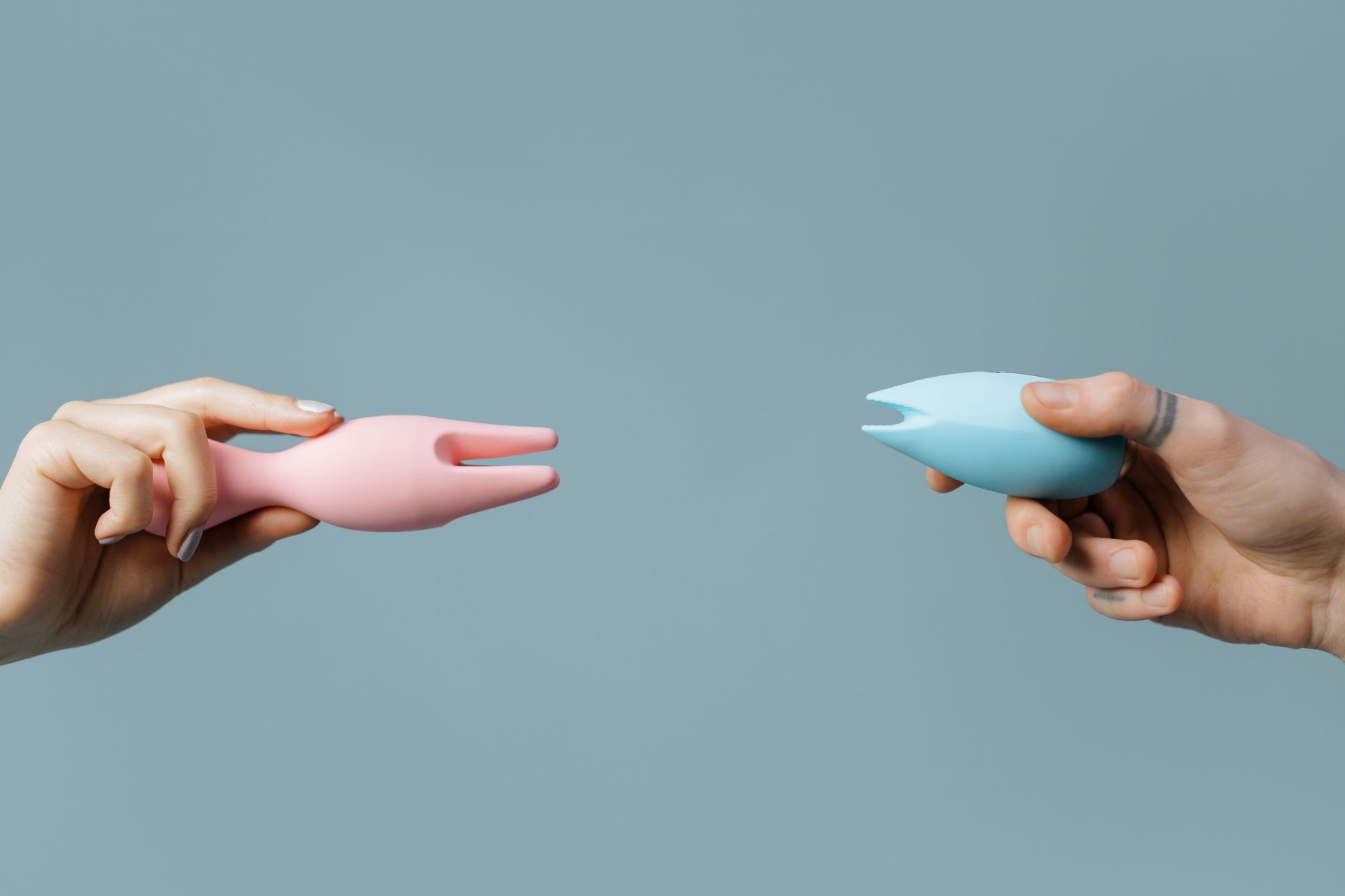
Second: Your body has changed. You know it better in some ways (you know what doesn't work), but you may feel disconnected from it in others. That's not a flaw in the plan. It's just information. A lemon clitoral vibrator works with your current body, not against an imagined 25-year-old version.
Third: You're choosing this now because you want to, not because you're supposed to. That's actually easier than starting young under social pressure. You get to set every single rule.
Your body might take longer to respond than you think it should. That's normal. Arousal isn't a light switch at any age, but it especially isn't when you're nervous or new to the experience.
You might feel self-conscious or feel nothing at all the first time. Both are fine. Both are common. The second or third time usually settles things down.
You might orgasm. You might not. Either way, you're learning something about yourself. That's the whole point.
Privacy first. Lock the door, silence your phone, give yourself 30 minutes with zero interruptions. You can't relax into pleasure while you're listening for footsteps.
Start clothed. Seriously. A lot of people skip directly to full undressing because that's what they think they're "supposed" to do. Instead, start with your pants on, underwear intact, and just hold the vibrator against the outside layer. No commitment. No pressure.
Use the lowest setting. The Lem Vibrator and other quality lemon clitoral vibrators have multiple patterns and intensities. Start at pattern one, lowest pulse. You can always turn it up. You can't un-turn it up if it's overwhelming.
Wet your hands or use a bit of water-based lube on the outside of your clothes before you start. This helps the vibrator glide smoothly and reduces the jarring sensation of direct contact.
You're going to feel weird about this. That's expected. Here's how to move through it.
First: Name the shame. Tell yourself out loud, "I feel awkward, and I'm doing this anyway." That's not suppressing the feeling. That's acknowledging it and choosing to stay present.
Second: Make it routine. Put on a specific song, or light a candle, or make it a Wednesday afternoon thing. Ritual removes the "this is a big deal" pressure and makes it just something you do.
Third: Give yourself permission to stop. The moment you feel like you need to stop, you stop. No guilt, no "you got this close." Pleasure is never a performance, and you're not training for anything.
If you orgasm: That was your body working exactly right. Notice what happened. Notice what felt good. You don't have to replicate it exactly every time. Your body changes based on stress, sleep, where you are in your cycle, what you ate, what you're thinking about. All of that is normal.
If you don't: You still learned something. You learned what pressure feels like, what suction feels like, what your body does when it's paying attention. That's valuable data. Come back tomorrow or next week with a different approach.
Neither outcome is a failure. Both are part of learning your own pleasure.
Knowing what works for you solo changes everything about partnered sex. You stop waiting for a partner to figure it out. You can ask for it directly. You can show them what you like. You become a collaborator instead of a passenger.
If you're single right now, solo pleasure is just for you. There's no performance angle. There's no one else's needs to balance. That freedom is actually the gift of this moment.
"What if I can't feel anything?" Your body might need time to wake up. Try it for two weeks consistently before you assume anything is wrong. If numbness persists, that's sometimes a conversation with a doctor, but often it's just nervous system activation taking time.
"Isn't this selfish?" No. Knowing your own pleasure is actually generous. You become a better partner, a better communicator, less resentful. You're not taking from anyone. You're adding to your own life.
"What if someone finds out?" You're an adult. Your sexual self-knowledge is private. That said, if you're in a relationship and worried, that's worth examining separately. You might also find that how you communicate with your partner about your own needs changes the whole dynamic.
"Shouldn't I wait for a partner?" Only if you want to. Solo pleasure and partnered pleasure aren't in competition. They're different things. You can have both.
You start thinking about it during the day. You look forward to it. You stop feeling embarrassed, and it just becomes part of your routine. That's the sign that you've moved past the "I'm supposed to do this" phase into actual want.
Starting solo pleasure at 35, 45, or later isn't unusual. It's actually becoming more common as women gain permission to prioritize their own wants. You're joining a quiet club of people who decided their pleasure mattered and acted on it.
That decision, by itself, changes how you move through the world. You stop apologizing for wanting things. You get clearer about what actually works for you. You make better choices about who gets access to your time and body.
A lemon clitoral vibrator like the Lem Vibrator is just a tool. The real work is the permission you're giving yourself. That's the part that takes courage. The vibrator is easy.
Correctly means whatever feels good to you. There's no right technique. Some people hold it steady. Some move it in circles. Some press it gently and let the vibrations do the work. Try all three and notice what your body responds to. The first time is about exploration, not perfection.
Turn it off immediately and take a break. Your clitoris has thousands of nerve endings and can feel overstimulated, especially if you're new to vibration or if you're tense. Try again in a few minutes with the lowest setting, or wait until next time. You're not doing anything wrong. Your nervous system just needs a gentler approach.
Yes, but carefully. Start fully clothed with the lowest setting. Some people with trauma history find solo pleasure deeply healing. Others need professional support first. If you're rebuilding sensation after trauma, go slow and check in with yourself constantly. Your body's boundaries matter more than reaching any particular outcome.
As often as you want. That might be once a week, once a day, or once a month. There's no "should." You're not training for anything. You're exploring what feels good. Let your own want be the guide.
Completely normal. Pleasure activates the nervous system and releases hormones that can bring up feelings. Sometimes those are good feelings. Sometimes they're sadness, grief, or tenderness. That's your body processing something. It doesn't mean anything is wrong. Let yourself feel it.
Shame runs deep, and sometimes it needs more than a how-to guide. That might be a conversation with a therapist, or reading more about why you absorbed that shame in the first place, or connecting with a partner who supports this part of you. You don't have to bulldoze through it alone. Get support if you need it.
Once you give yourself permission to prioritize your own pleasure, it changes more than just sex. It changes how you negotiate your time at work. It changes what you accept from relationships. It changes how you talk to your friends and your kids about their own bodies and wants.
You become a different person. A person who knows what she wants and isn't ashamed to have it.
Start with a vibrator if you want to. Or start with your hands. Or start by just lying down and noticing what your body feels like without doing anything at all. The entry point doesn't matter. The permission does.
You deserve to know what your own pleasure feels like. Not for anyone else. For you.